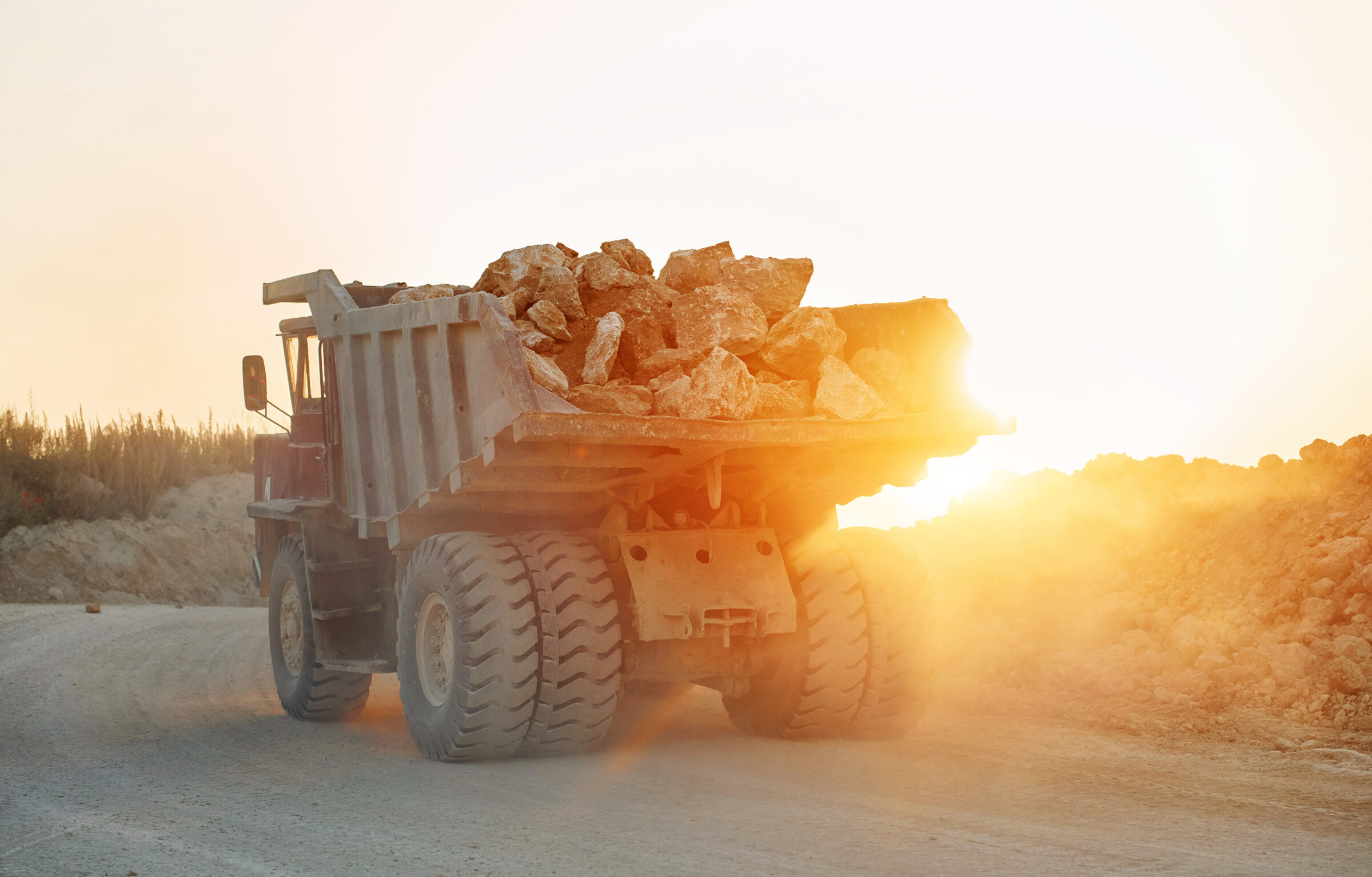
Your fleet is leaking.
You can feel it. You can't prove it.
I'm Theo. UCL engineer, GE, four years at Caterpillar across West African mines. I've lived inside the operations that are breaking.
Fuel logged on paper. Hours recorded from memory. Parts ordered when something's already broken. Month-end stitched together from WhatsApp threads. At this size it works. At the next contract it starts leaking money you can't find.
Darikoda is what I built to stop the leak.
01 / The Gap
What your ERP can't see.
Every fleet operator I sit with tells me the same thing. Something is leaking. Fuel numbers don't add up. Certs run three weeks late. A dozer sat two months and no one can say why. You feel the money walking out. You can't point at it.
You've done the sensible things. A good GM. Trackers on the trucks. An ERP at GHS 150K a year, sold to you as total visibility. Two years in, you're still asking finance to pull a spreadsheet.
Your ERP was built for accounts. Invoices, assets, depreciation. Your question is different.
- Which machine earns? Which bleeds?
- When fuel goes missing, where?
- When a cert delays, which chainage is stuck?
No tool you own was built to answer that.
What you see
Your tracker shows the truck moved.
What you don't
Not that it left full and came back empty.
What you see
Your ERP shows GHS 240,000 on parts last quarter.
What you don't
Not that 40% went to two machines you should have retired two years ago.
What you see
Your spreadsheet shows the dozer came back to site.
What you don't
Not that it sat six weeks waiting for a job no one assigned.
What you see
Your supervisor says no downtime.
What you don't
Your workshop has four machines waiting for parts.
What you see
Your cert takes three people a week.
What you don't
The data was ready two weeks earlier.
Every card above is real. Anonymised.
That's what Darikoda was built to fix.
It works at this size. It stops working at the next one.
The informal system runs on trust, memory, and everyone knowing each other. Then you win a second contract, the fleet grows, or a new site opens. Here are six places where the informal system quietly fails.
Manual entry becomes one tap.
Paperwork search becomes instant query.
Payment cert · PRJ-TEMA · Ch. 12+400 — 14+200
Phone-chase approvals become one tap.
Fuel top-up · 420L · M-04 · Kwame
GHS 3,108 · within limit
The supervisor on the tablet.
The fitter in the workshop.
The operator at the bowser.
Six moments on their shift where paper dies and margin comes back.
Three are how the day grinds for one person on shift.
Three are how the month falls apart between people at the office.
Month-end scramble becomes live dashboard.
“Who did what” becomes an immutable trail.
A 17-day dispute becomes a 2-minute sign-off.
Evidence: 47 work orders, 12 dispense logs, GPS-confirmed.
This is what you get back.
Six small shifts. One compound effect. What a mid-size fleet typically reclaims in the first six months on Darikoda.
Times compound. Supervisors stop chasing paper. Approvers stop dodging calls. Finance stops begging for data. The business starts running like a system.
02 / The Platform
Three questions your dashboards can't answer.
Not because the information doesn't exist. Because it's scattered across people, paper, and days.
Production Profitability
Which machines earn. Which bleed.
Your revenue comes in one machine at a time. Your cost walks out one machine at a time. Averaging both to fleet level hides where the money is actually made and lost.
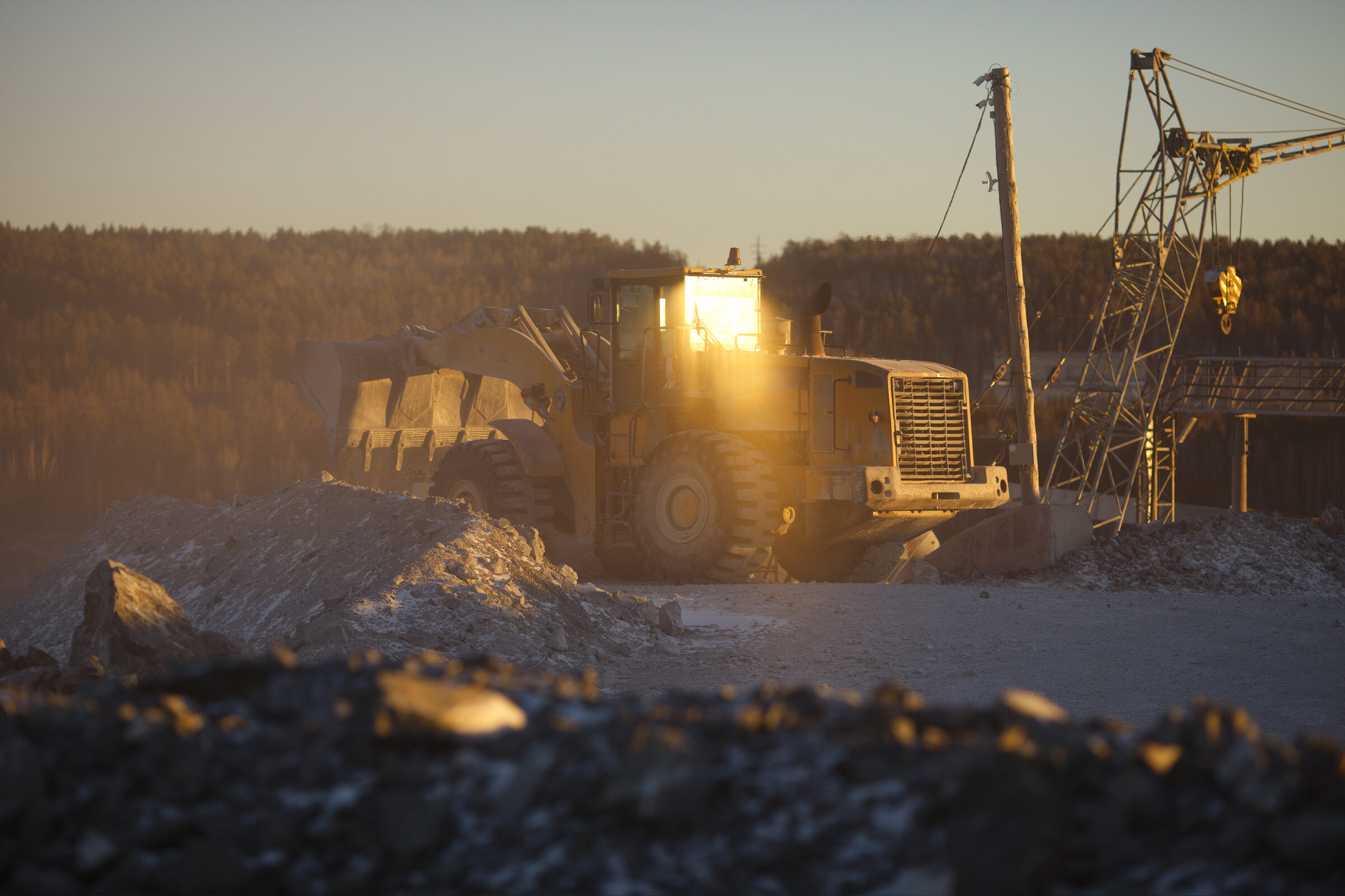
Darikoda joins fuel, parts, labour and work orders against what each asset actually produces — tonnes, kilometres, bank cubic metres — resolved against the specific rate that asset is earning against.
Cost per tonne, per kilometre, per machine. By month two it lives on a dashboard.
Downtime Intelligence
Not how long. Why.
Every workshop tracks downtime as a single number — hours the machine didn't run. That number hides three different problems.
Down 20 hours waiting for parts is a procurement problem. Down 20 hours diagnosing is a capability problem. Down 20 hours because no fitter was free is a scheduling problem. Three completely different fixes. One number hiding all of them.
Darikoda splits every work order into four timestamped stages — diagnosing, waiting parts, repairing, testing. Stop arguing about downtime. Start fixing it.
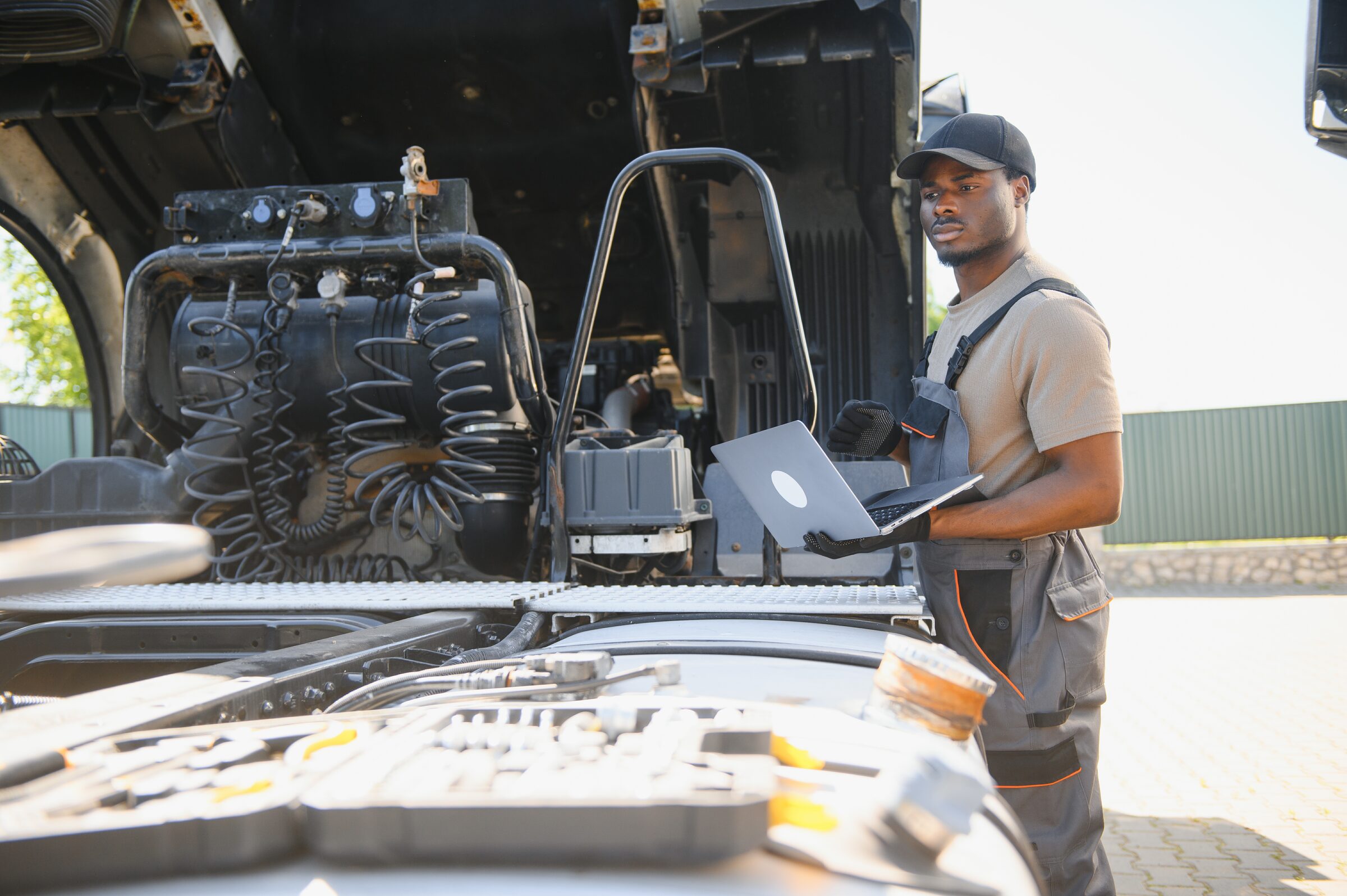
68% waiting parts— that's a procurement conversation, not a workshop one.
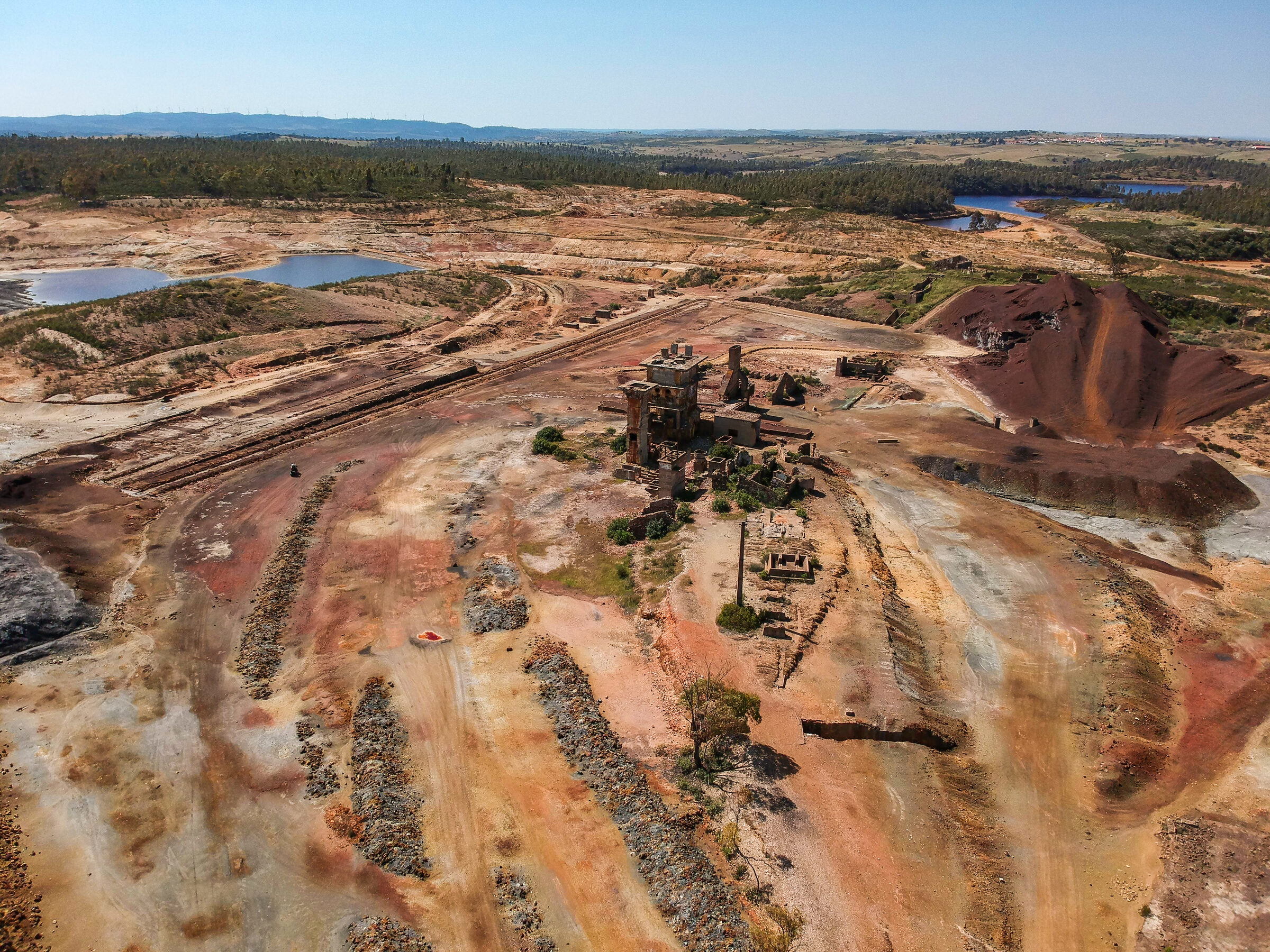
Built for the site you actually operate.
Fuel Integrity
Dispensed vs consumed. Reconciled daily.
Every fleet operator suspects a 5%+ gap between the bowser and the tank. Most can't prove it.
Darikoda logs every dispense — asset, operator, quantity, GPS, time. It reconciles against shift consumption. Variance over your threshold opens an issue automatically. Where CAN enrichment is in place, we use real engine data. Where it isn't, disciplined manual entry works.
Five percent recovery on GHS 20M fuel is GHS 1M to margin. One line item.
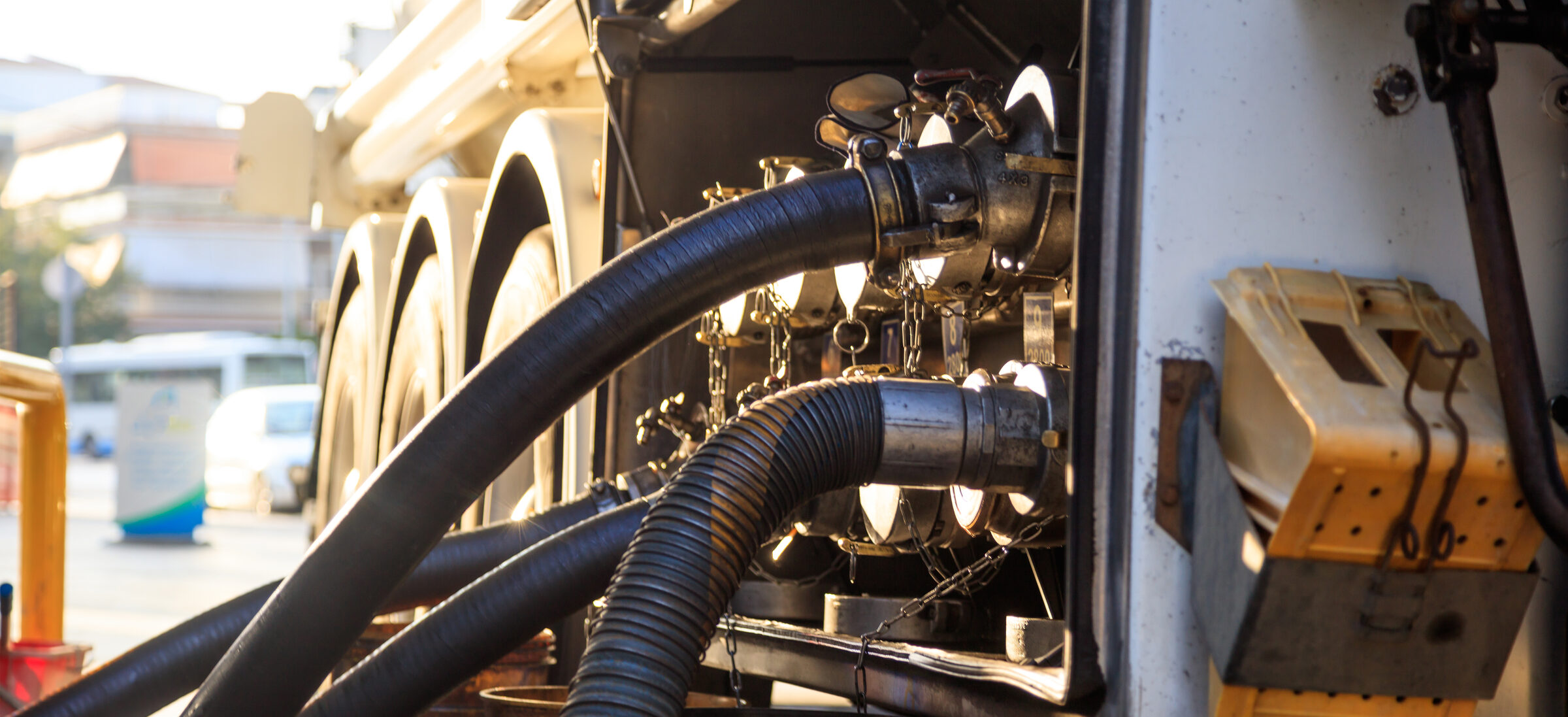
Issue auto-flagged to reconciliation queue.
03 / How it runs
Built for your site.
Not for a demo site.
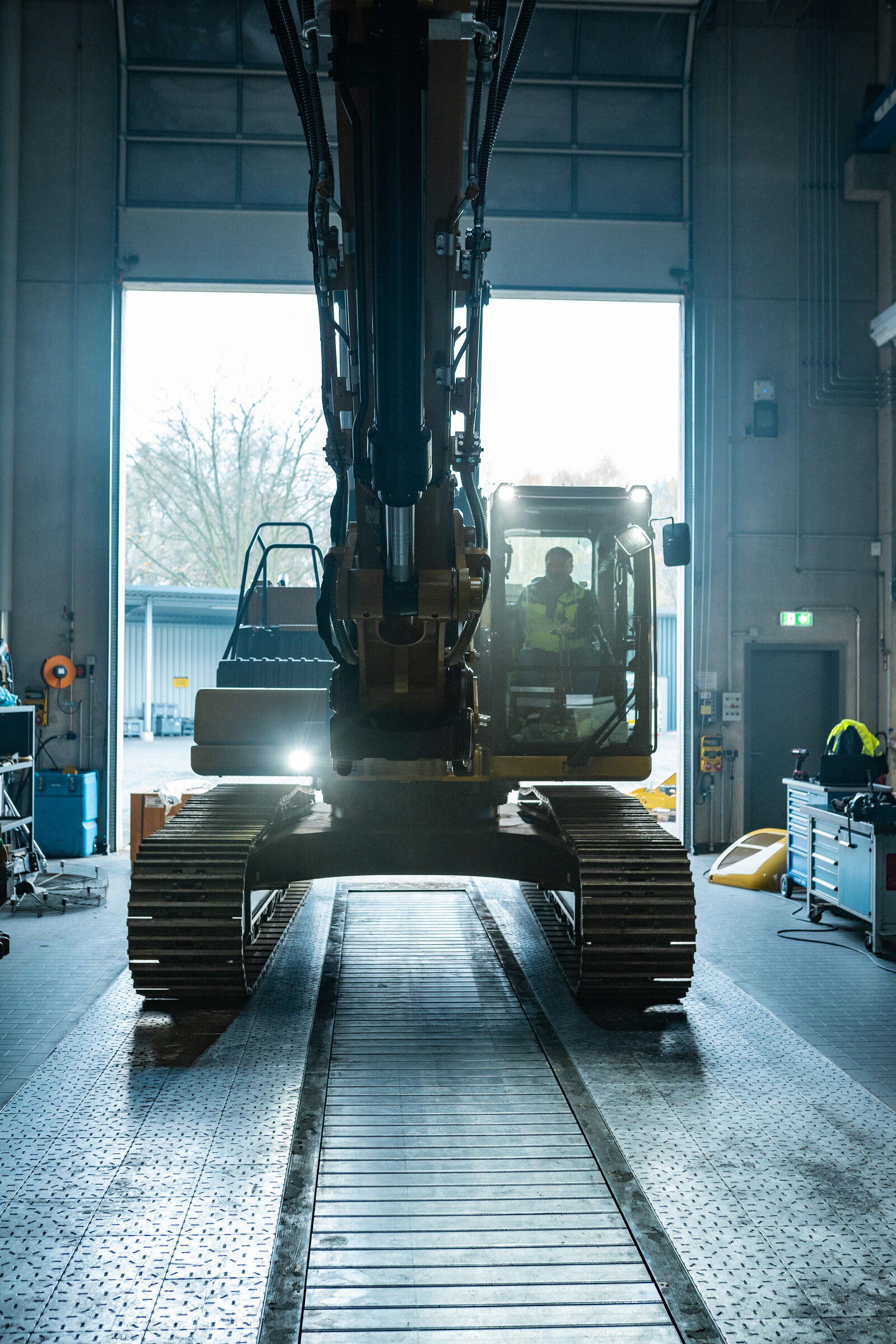
Offline-first.
Every write saves locally, syncs when signal returns. Your operators don't wait for 4G.
Four-state write.
Every transaction shows saved, queued, synced, or failed. No more "did it go through?"
Mixed fleet.
CAT, Doosan, Scania, XCMG, Hino — one view. Your OEM telematics can't do that.
Kiosk mode.
Shared tablets run a service account. Individual workers sign in with a PIN. No one's logged in as someone else.
Gloved hands.
56dp touch targets on every fleet screen. Dust, sun and impact tested.
Operators always know if their work saved. No more "did it go through?"
Architecture
Over-engineered on purpose. Your operations deserve it.
Darikoda Core v2.4.4. Deployed on owned infrastructure, not rented SaaS plumbing. Sentinel V4 intelligence layer for predictive fuel reconciliation and component-failure forecasting.
04 / What it's worth
Do the maths on your own fleet.
Here's what typical mid-size operators could recover in the first year. Ranges, not promises. Based on industry FMS benchmarks, McKinsey predictive maintenance data, and what I've seen in the audits I've run.
80 machines across 4 projects
3—5% on fuel integrity alone
3—5% on fuel integrity alone
150 machines across 6 projects
Fuel + idle redeployment
Fuel + idle redeployment
250 machines across 10 projects
All three engines compounded
All three engines compounded
Methodology. Fuel recovery ranges: 3—5% based on published FMS benchmarks. Idle redeployment: 5—15%. Downtime reduction: up to 20% per McKinsey predictive maintenance studies. Your number depends on rollout depth and which engines you activate first.
Live calculator in the next release.
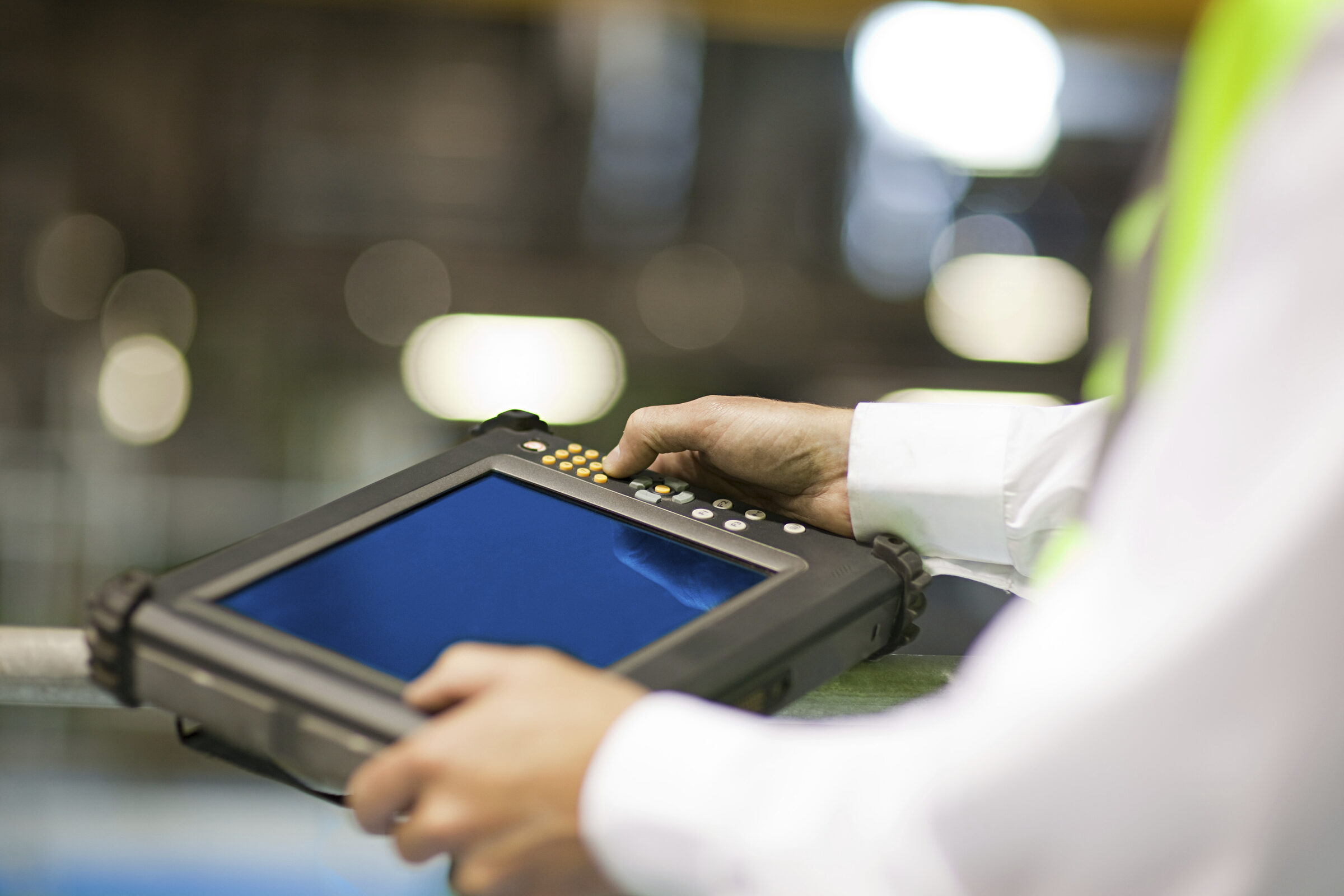
What's already real.
Darikoda Core v2.4.4 is live on owned infrastructure. Sentinel V4 predictive layer deployed. Pilots running across fleet operations in Accra.
This is built — not promised.

The Flutter app is in active build. Three pilots underway across fleet and hospitality operations. Four-week Build & Activation phase before any pilot clock starts.
No case studies printed yet. Those come from the current pilots, with permission, when they're ready.
If yours is next, you get founding-customer pricing and my direct line for two years.
Talk to me
The fastest way is WhatsApp.
+447984845440
theo@iloristreamline.com
Typical reply within the hour during UK and Ghana business hours.